What is pine needle tea and where does it come from?
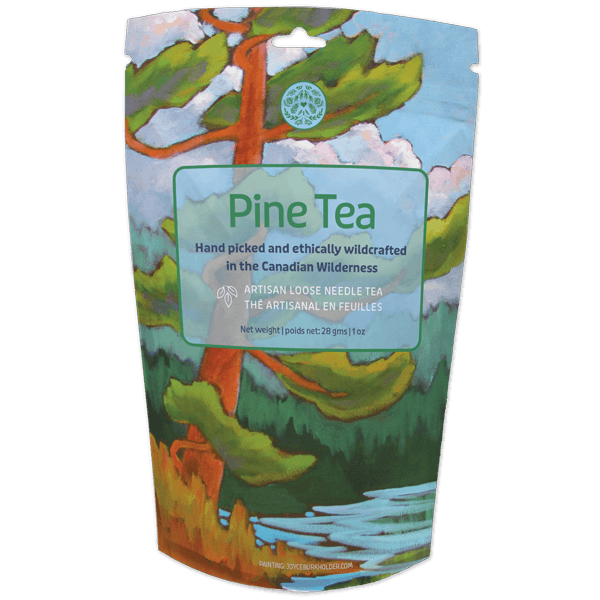
Pine needle tea is a traditional infusion made from the young needle tips of Eastern white pine (Pinus strobus), wild‑harvested from the forests of Ontario and Quebec. Eastern white pine has long been used by Indigenous peoples and rural communities across northern North America as a nourishing winter beverage and general tonic, valued especially when fresh fruits and vegetables were scarce. Each cup offers a simple way to bring the bright, resinous freshness of the boreal forest into your daily life. ontarioherbalists+1
What does pine tea taste like?
Pine tea offers a bright, refreshing taste with creamy, supple notes and a mild astringent edge. The flavour is delicate and smooth with a medium body, more like a gentle forest green tea than a harsh or overly “piney” brew. Many enjoy it unsweetened to appreciate its natural character, though it pairs beautifully with a touch of maple syrup or mild honey.
What are the health benefits of pine needle tea?
Pine needle tea is naturally rich in vitamins and antioxidants and has a long history of traditional use as a supportive winter tea. The Ontario Herbalists Association notes that Eastern white pine needle tea has been reported to contain up to five times the vitamin C of lemon, with one cup sometimes cited as providing several times the daily recommended intake, and also highlights its fat‑soluble vitamin A content. WebMD likewise describes pine needle tea as a traditional source of vitamin C used historically against scurvy and as a way to support general wellness in colder months. Herbalists also describe Eastern white pine as a warming, aromatic expectorant used for coughs, colds and bronchial congestion, although modern human clinical trials on pine tea specifically remain limited. webmd+2
How do I prepare pine needle tea?
Heat water to 175–185°F (80–85°C), just below a full boil. For loose leaf, use 1 tablespoon of needles per cup, gently breaking them to release their aromatic oils before adding hot water. For tea bags, place one bag in your cup and pour the water over. Steep for at least 5 minutes for flavour, or around 10 minutes if you’re aiming to extract more vitamins and aromatic constituents. The needles can typically be re‑infused once for a milder second cup.
Is your pine tea organic and sustainably harvested?
Yes. Our pine needle tips are certified organic and hand‑harvested with deep respect for the land. Following traditional practices shared by Knowledge Keepers in this region, we take only the current year’s growth, harvest modestly from each tree, and allow areas to rest before returning. We also make offerings in gratitude, maintaining a reciprocal relationship with the forest so these wild stands remain healthy for generations.
Can pine needle tea be consumed daily?
Pine needle tea can be enjoyed regularly as part of a varied, balanced diet and wellness routine. Its natural vitamin C, vitamin A, and antioxidant content make it a nourishing choice, especially in colder seasons. As with any herbal tea, it’s wise to listen to your body and enjoy it in moderation. If you are pregnant, nursing, have a medical condition, or take prescription medications, consult your healthcare provider before using pine tea regularly, as strongly aromatic, expectorant herbs may not be appropriate for everyone. ontarioherbalists+1
Where can I buy Algonquin Tea Company pine tea?
Our pine tea is available as both loose leaf and convenient tea bags through our online store and selected retailers who value high‑quality, ethically harvested Canadian botanicals. Each purchase supports small‑scale wildcrafting, organic practices, and a consciously operated Canadian company rooted in respectful relationship with the land.
How should I store pine needle tea, and how long does it stay fresh?
For best flavour and potency, store pine needle tea in an airtight container away from light, heat, moisture, and strong odours. A sealed tin, dark glass jar, or opaque bag kept in a cool, dry cupboard is ideal. Properly stored, pine needle tea is typically at its peak for about 12–18 months; after that it remains safe to drink but may slowly lose some aroma and vitamin content. To enjoy it at its best, try to use your tea within a year of purchase and reseal the package promptly after each use.