
Ritchie Sinclair: The Visionary Behind Algonquin Tea’s Sacred Artwork
When people recognise Algonquin Tea Company on a shelf, they often notice the artwork first.…
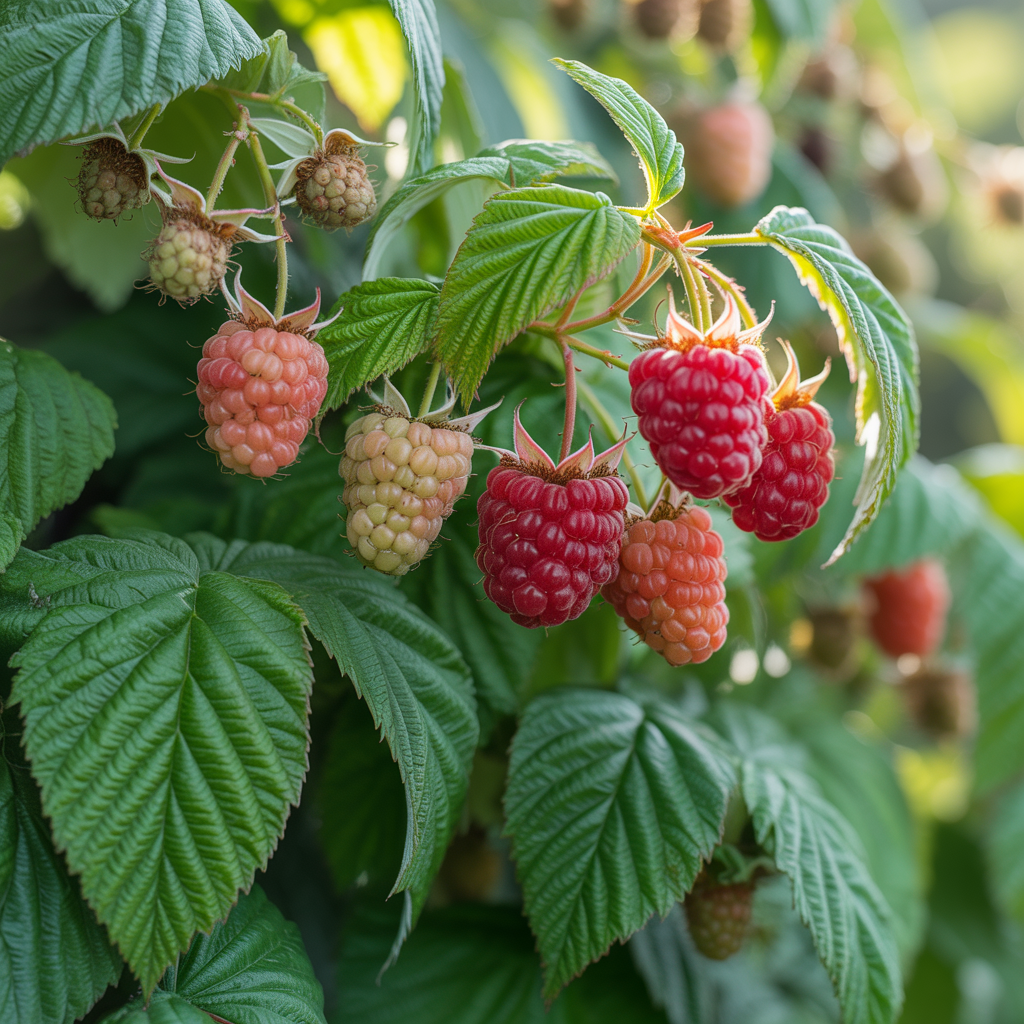
Here’s something wild: that raspberry bush taking over your backyard fence? The leaves are pure herbal gold. While you’ve been eyeing those sweet berries all summer, traditional healers have been brewing those leaves into medicinal tea for literally thousands of years.
The red raspberry plant (Rubus idaeus) grows wild across Europe, Asia, and North America, and pretty much every culture that encountered it figured out the same thing: these leaves are medicine. European herbalists used them. Native American healers reached for them. Chinese medicine practitioners valued them for cooling the body.
Indigenous peoples across North America used raspberry roots to treat diarrhea, brewed the leaves into tea for nausea, and made bark tea for stomach troubles. Native American women, in particular, turned to raspberry leaf tea to support their bodies during menstruation and pregnancy, a tradition that continues today.
Raspberry leaf tea tastes earthy and slightly astringent, kind of like black tea. That’s thanks to compounds called tannins, which give the tea its ability to tone and tighten tissues in your body.
These leaves are loaded with vitamins C and E, B vitamins for energy, iron for healthy blood, calcium, magnesium, and potassium. One cup delivers all this goodness in an easily absorbed form.
Red raspberry leaves are also rich in antioxidant compounds like ellagitannins and anthocyanins that protect your cells from oxidative stress. Think of oxidative stress as your body’s version of rust. These antioxidants help prevent cellular damage, potentially lowering your risk of chronic disease and premature aging.
Raspberry leaf tea has earned major street cred as “the woman’s herb,” and for good reason. Women have been reaching for this tea for centuries to ease menstrual cramps, regulate cycles, and prepare for childbirth.
The tea contains a compound called fragarine that helps relax pelvic muscles, which may reduce those awful monthly cramps. The high iron content is crucial for women with heavy periods who might be at risk for anemia. Many women report that regular raspberry leaf tea consumption helps tame PMS symptoms.
But here’s where it gets really interesting: pregnancy support. Midwives have been recommending raspberry leaf tea to expecting mothers for generations. The idea is that it tones the uterine muscles, potentially making labor more efficient.
Recent research backs this up. A 2024 study found that women who used raspberry leaf during pregnancy had fewer interventions during labor, including fewer epidurals, instrumental births, and C-sections. They also experienced shorter labors and were more likely to have vaginal births.
Always chat with your healthcare provider before drinking raspberry leaf tea during pregnancy. Most practitioners recommend waiting until the second or third trimester.
Don’t let the “woman’s herb” label fool you. Raspberry leaf tea benefits everyone.
Those tannins that tone tissues also soothe your digestive tract. The tea has been traditionally used to ease diarrhea, reduce bloating, and calm an upset stomach. With vitamin C, antioxidants, and anti-inflammatory compounds, it supports your body’s natural defenses.
In herbal medicine, raspberry leaf is classified as a “tonic herb,” meaning it’s gentle enough for everyday use and works gradually to nourish your whole system.
Making raspberry leaf tea couldn’t be simpler. Use 1-2 teaspoons of dried raspberry leaves per cup, pour hot water over them, cover, and steep for 10-15 minutes. Strain and enjoy.
Want to jazz it up? Add honey for sweetness, lemon for brightness, or blend with peppermint or chamomile. For summer, try cold brewing: add 2-3 tablespoons of leaves to a quart of cool water, refrigerate overnight, strain, and serve over ice.
Here’s a nutrient-packed blend to start your day:
Combine the herbs in a teapot, pour hot water over them, cover, and steep for 15 minutes. Strain and add honey or lemon. This caffeine-free blend gives you a gentle morning boost without the jitters.
Raspberry leaf tea is generally safe for most people. Always consult your healthcare provider if you’re pregnant. If you’re on medications affecting blood pressure, blood sugar, or hormones, check with your doctor. People allergic to raspberries or plants in the rose family should avoid it.
For most healthy adults, 2-3 cups daily is safe. Start small if you’re new to the tea.
Look for organic certification, sustainably harvested sources, and fresh leaves with good green color. When you choose high-quality raspberry leaf tea, you’re supporting both your health and ethical growing practices.
Raspberry leaf tea is a beautiful example of traditional plant medicine that’s stood the test of time. For thousands of years, healers around the world independently discovered what this humble bramble could do. Today, modern research is starting to validate what herbalists have known all along.
Whether you’re sipping it for menstrual support, pregnancy prep, digestive comfort, or just as a nourishing daily tonic, raspberry leaf tea connects you to generations of plant wisdom. It’s gentle, effective, and packed with nutrients your body needs.
So next time you see those raspberry bushes, remember: the leaves are where the real magic lives. Brew yourself a cup, breathe in that earthy aroma, and tap into thousands of years of herbal healing tradition.
Two of our Algonquin Tea Collection blends are crafted with raspberry leaves: our Sweetfern Tea blend and Homestead blend. I hope you enjoy the coming of winter and stay cozy and warm!
– Kim Elkington, Owner and Queen Bee