
Six Wild Drinks for Summer
There is a moment in every good summer evening when you want to put something…
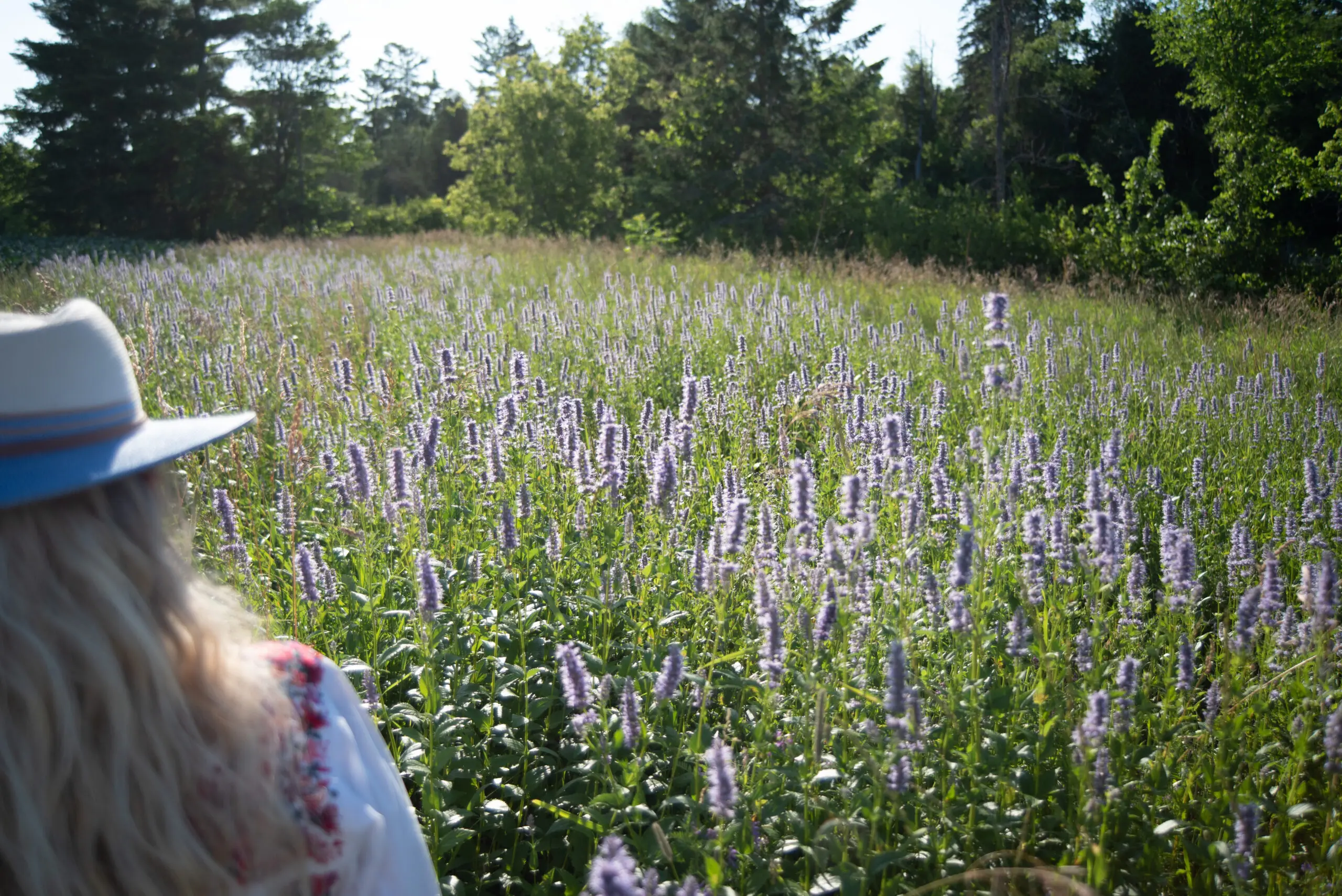
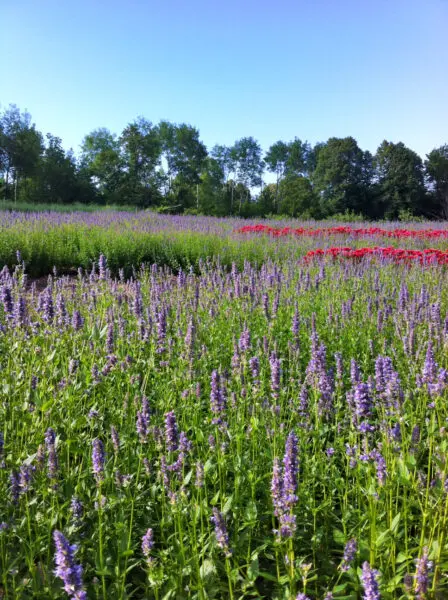
Some plants ask a lot of a gardener. Anise hyssop asks almost nothing. Give it a sunny spot and it rewards you with months of purple blooms, clouds of bees, and not a single nibble from the deer. Beekeepers have called it the “wonder honey plant” since the 1940s, and it’s easy to see why. Its licorice-mint scent draws pollinators in from across a field while keeping deer and rabbits at a respectful distance, a rare combination that has made it a fixture near barns and homesteads for generations.
A Plant That Does More With Less
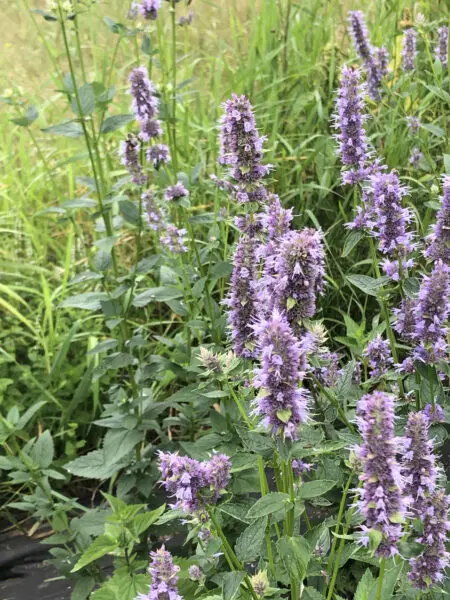
Anise hyssop, or Agastache foeniculum, is a hardy perennial in the mint family, native across much of northern North America, from Ontario west to British Columbia. It goes by a few other names too: giant hyssop, lavender hyssop, blue giant hyssop, though it isn’t closely related to true hyssop or to anise. The resemblance is really in that fragrant, licorice-scented leaf.
It’s not fussy. Full sun or partial shade, average soil, minimal fuss, and once established it shrugs off drought better than most things in the garden. The flower spikes hold their colour for weeks, from late June into early fall, and the plant tends to self-sow generously, so a single start can turn into a small colony without much effort on your part.
Why the Bees Can’t Stay Away
Watch anise hyssop on a summer afternoon and you’ll hear it before you see it: a steady hum of bumblebees, honeybees, butterflies and hummingbirds, all working those spikes from morning to dusk. Mass plantings were once used to support apiaries across the Midwest and Canada, and it’s easy to understand why once you’ve seen a patch in full bloom. Deer, meanwhile, tend to leave it alone entirely, kept off by that same sweet, sharp scent that pulls the pollinators in.
Did You Know?
A Long History of Easing Coughs and Calming Stomachs
Beyond the garden, anise hyssop carries a long history as a medicinal herb. A few reasons we love this plant:
That’s part of why we’ve always thought of Homestead as an after-dinner tea as much as a cold-and-flu one.
Homestead Blend
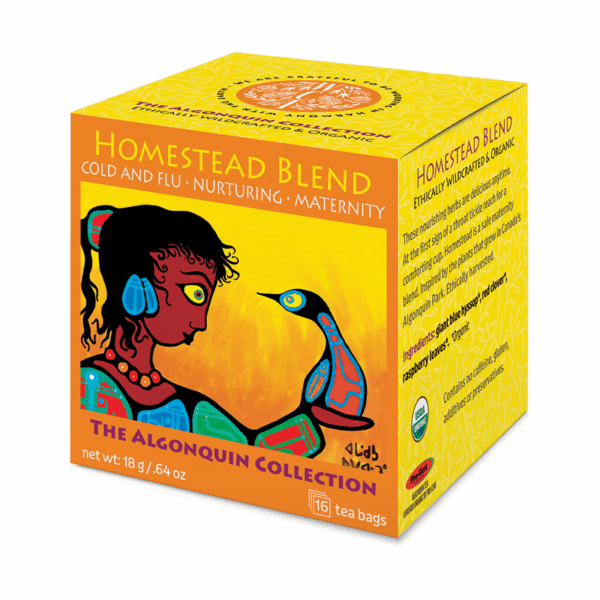
Homestead brings anise hyssop together with raspberry leaf and red clover, three herbs long kept close to home. It’s a tea for the first cough of the season, a sore throat that won’t quite settle, or a little digestive ease after dinner.
View Homestead Blend product details
A Note on Safety
Anise hyssop is considered gentle and well-tolerated for most people when brewed as tea. As with any herbal remedy, those who are pregnant, nursing, or managing a health condition should check with a healthcare provider before making it a regular part of their routine. If you’re harvesting anise hyssop yourself, make sure you’re working with a confirmed identification and gathering only from areas free of chemical spray.
Full Circle
Next time you’re near a patch of purple flower spikes humming with bees, take a closer look. That’s the same plant quietly doing its work in your teacup, easing a cough here, settling a stomach there, the way it has near barns and homesteads for generations.
A plant that gives that much back rarely asks for much in return.
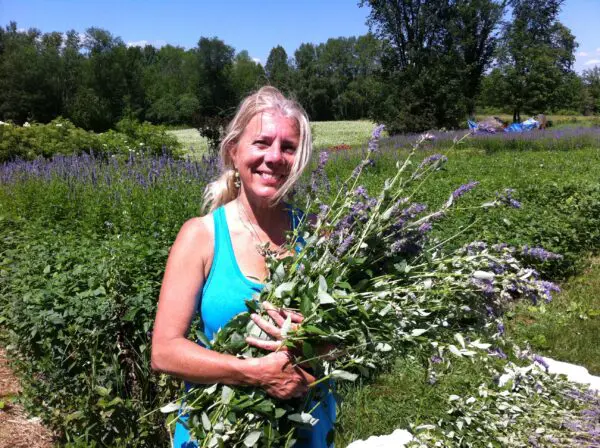
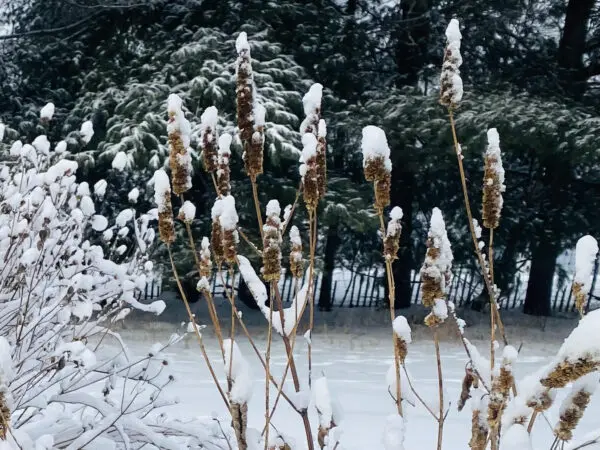
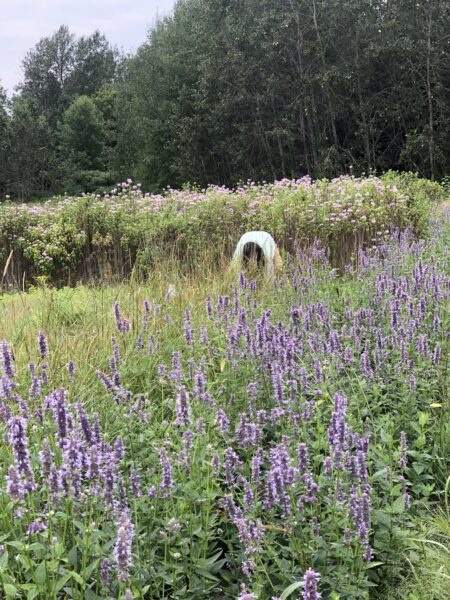
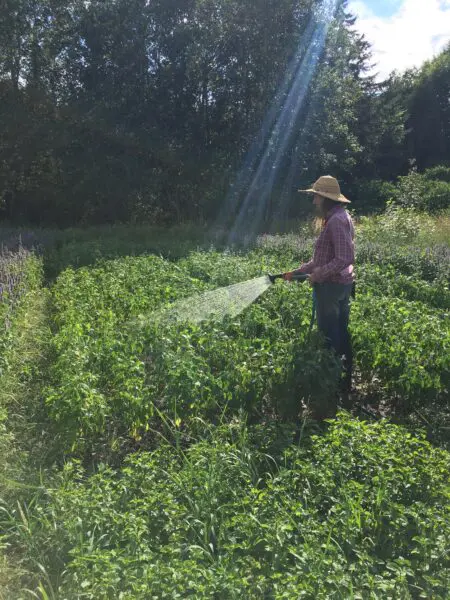
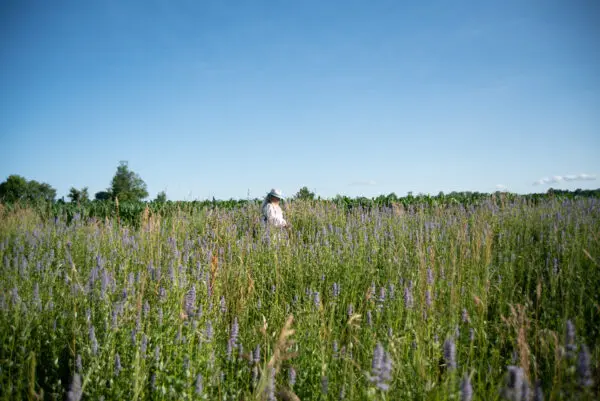
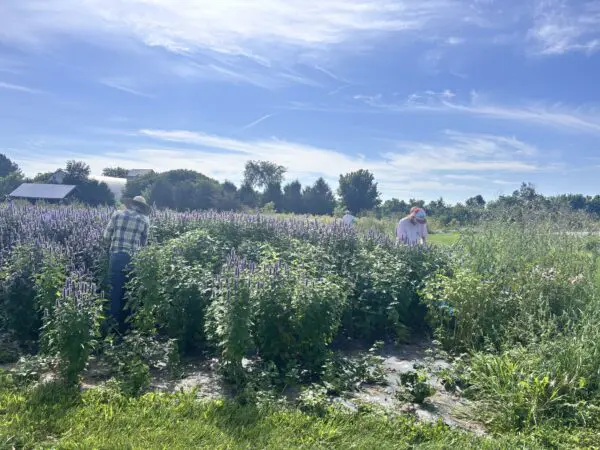
Here are some pictures from our garden and this year’s harvests:
References